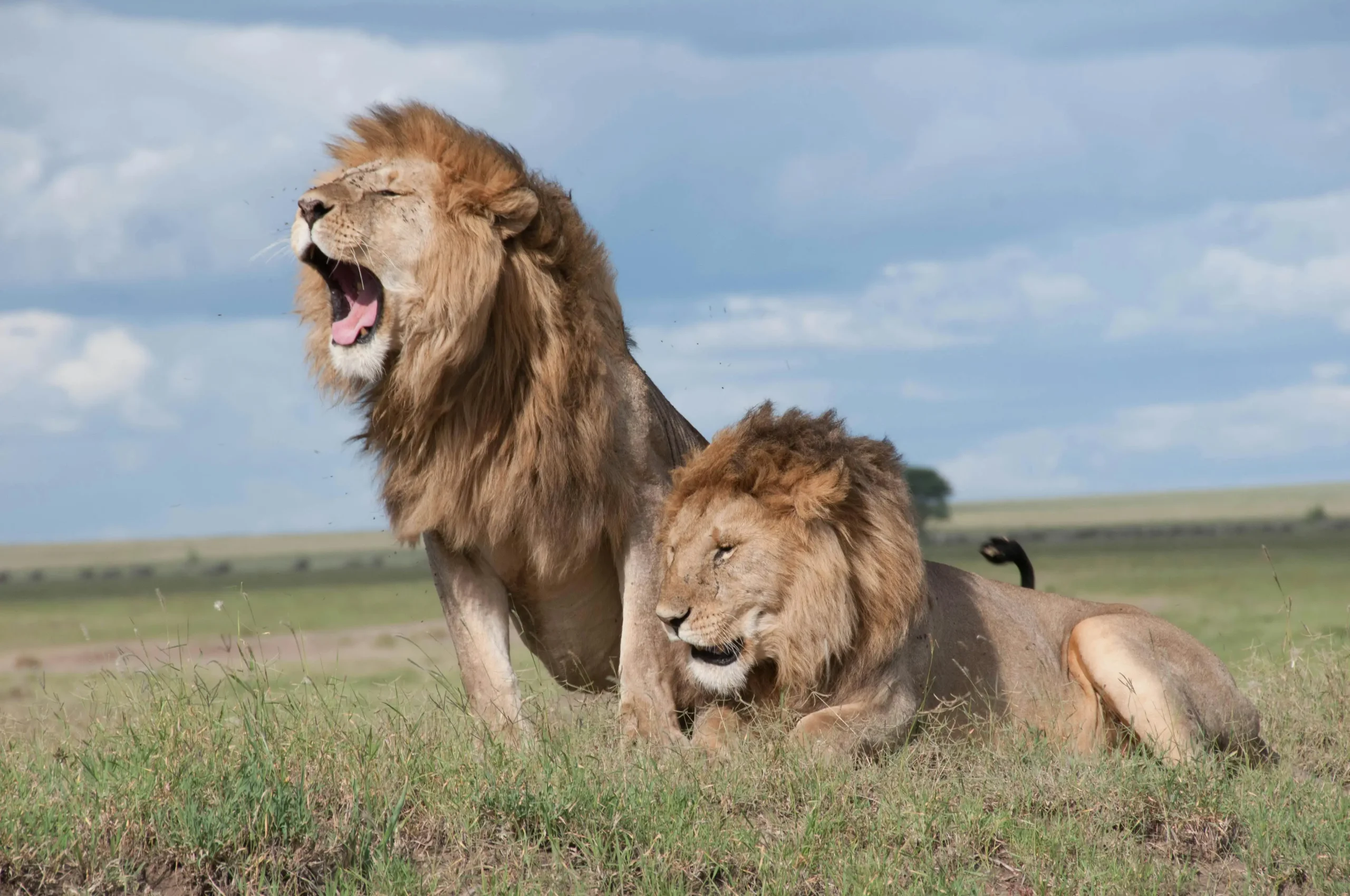
The lion, often called the King of Beasts, has inspired awe and admiration for centuries. With its thunderous roar, commanding presence, and regal mane, the lion is more than just an animal—it is a living symbol of courage, strength, and majesty.
The Role of Lions in Nature
Lions are apex predators, playing a crucial role in maintaining balance within ecosystems. By hunting herbivores such as zebras and buffalo, they prevent overgrazing and help keep savannas and grasslands healthy. Where lions roam, biodiversity thrives.
Lions in Culture and History
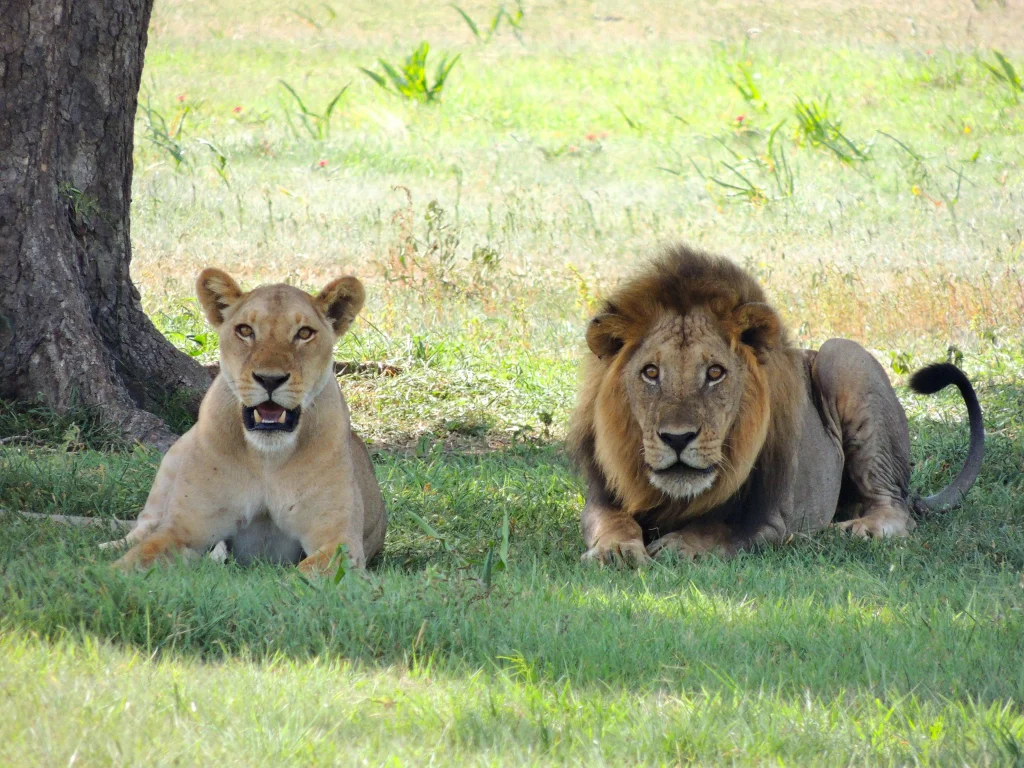
From ancient African folklore to royal emblems and national flags, lions have long been celebrated as symbols of power and pride. In literature and religion, they are often depicted as guardians of truth and justice, reinforcing their status as kings not only of the jungle but also of the human imagination.
A Species in Peril
Despite their iconic status, lions face a declining future. Habitat loss, human-wildlife conflict, and illegal hunting have caused their numbers to fall drastically in the past century. Today, wild lion populations are confined mostly to Africa, with only a small group surviving in India’s Gir Forest.
The Path Ahead
Conservation efforts offer hope. Wildlife reserves, anti-poaching laws, and community-led initiatives are working to protect lions and their habitats. Yet the challenge remains: will humanity allow the King of Beasts to keep roaring in the wild—or only in memory?
A Final Thought
The roar of a lion is more than sound—it is a call to protect nature itself. If the king falls silent, the wild will never be the same.