Home Blog

The Giant’s Gift: How the Jackfruit Tree Feeds and Sustains Millions

0

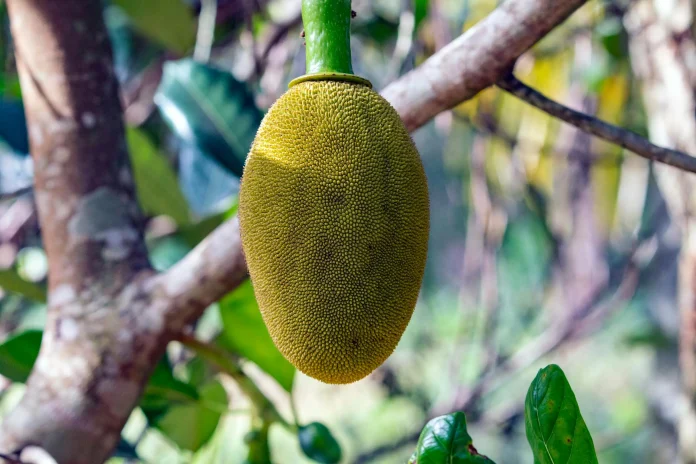
The jackfruit tree, known as the bearer of the world’s largest fruit, is a true wonder of nature. Towering in tropical landscapes across Asia and Africa, this evergreen giant has nourished communities for centuries with its size, strength, and versatility.
Nature’s Bounty

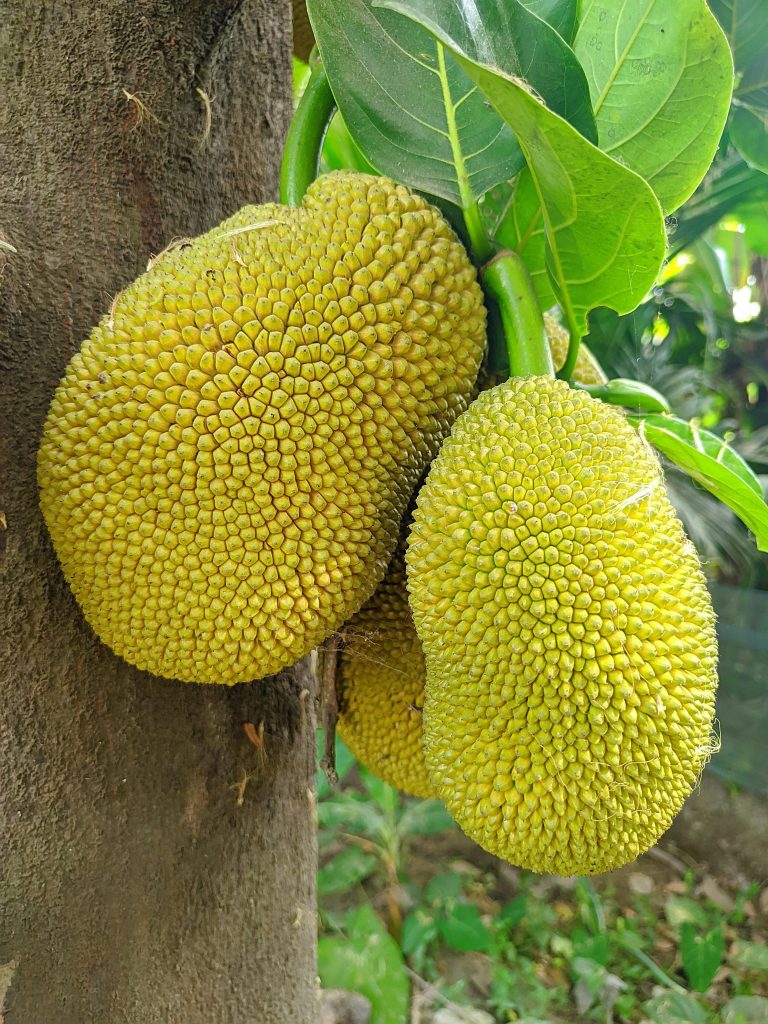
Jackfruit is celebrated not only for its size but also for its rich nutritional value. A single fruit can weigh up to 40 kilograms, making it a vital food source for families. Its golden flesh is packed with vitamins, minerals, and fiber, while the seeds can be roasted, boiled, or ground into flour.

A Versatile Ingredient

From ripe jackfruit enjoyed as a sweet treat to unripe jackfruit used as a meat substitute in curries and modern vegan dishes, the fruit’s versatility has gained global attention. Its texture, often compared to pulled pork, has made it a rising star in plant-based cuisine.

Beyond the Fruit

The jack tree offers more than food. Its durable timber is prized for furniture and construction, while its leaves serve as natural plates or fodder for livestock. In rural communities, every part of the tree is put to use, earning it a place as a tree of plenty.

A Cultural Symbol

In Sri Lanka, India, and Southeast Asia, the jackfruit tree is woven into tradition and daily life. Often planted near homes, it symbolizes abundance, resilience, and generosity.

Standing Strong

With its massive fruits and countless uses, the jackfruit tree is not just a plant—it is a living testament to nature’s ability to provide. Truly, it is the giant’s gift to humanity.
The Tree of Life: How the Coconut Sustains Cultures and Communities

0

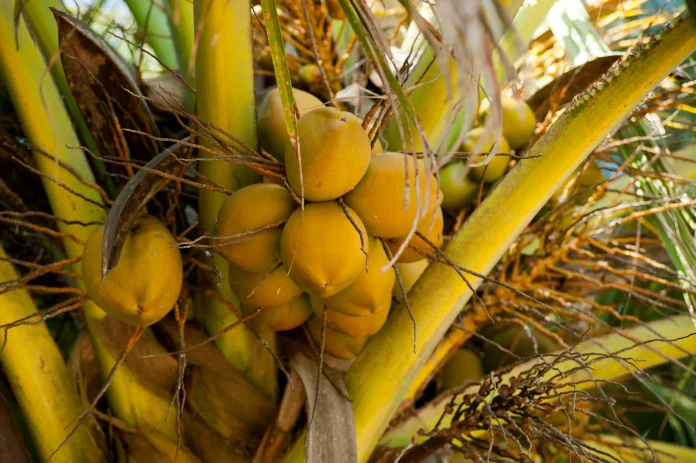
The coconut tree, often called the “Tree of Life,” is one of the most valuable and versatile plants in the world. Towering along coastlines and thriving in tropical climates, this palm has provided food, shelter, and livelihood to countless generations.

A Source of Nourishment

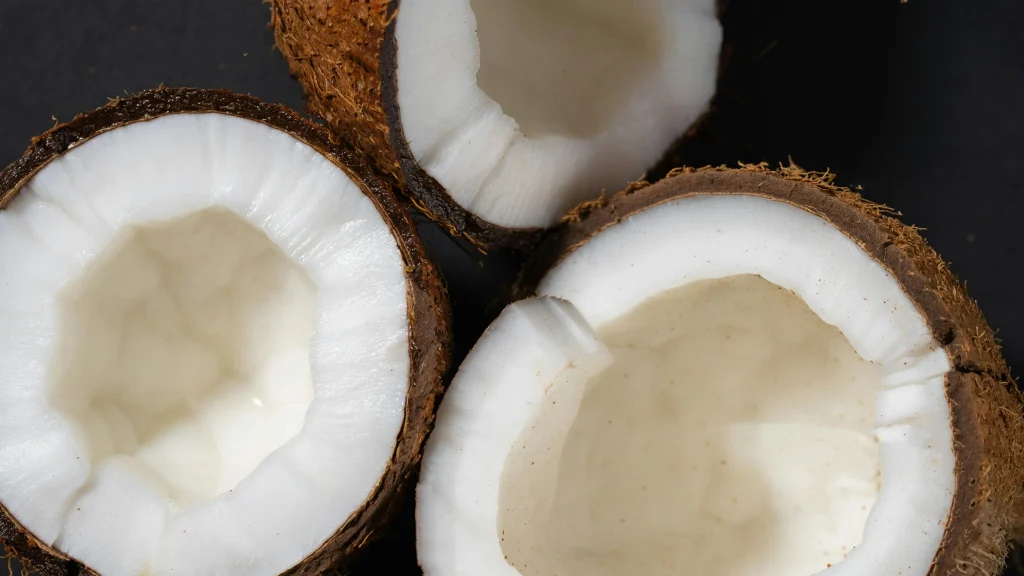
Every part of the coconut offers something essential. Its refreshing water is a natural source of hydration, while the white flesh is rich in nutrients and widely used in cooking. Coconut oil, milk, and cream are staples in kitchens across Asia, Africa, and the Pacific, forming the base of traditional cuisines.

Beyond the Kitchen

The usefulness of the coconut tree extends far beyond food. Its husk is used to make ropes, mats, and brushes; its leaves are woven into roofs and baskets; and its timber serves as building material. Even the shell is repurposed into bowls, utensils, and handicrafts, reflecting the ingenuity of communities that rely on the tree.

An Economic Lifeline

Globally, the coconut industry supports millions of farmers. Countries like Sri Lanka, the Philippines, and Indonesia lead in production, exporting coconut-based products to meet growing demand for natural and organic goods. From beauty products to eco-friendly packaging, coconuts are at the heart of sustainable trade.

A Cultural Symbol

In many cultures, the coconut is seen as a symbol of resilience and prosperity. Featured in rituals, festivals, and religious offerings, it represents purity and life itself.

Standing Tall

The coconut tree is more than just a plant—it is a lifeline. Providing nourishment, shelter, and income, it truly lives up to its name: the Tree of Life.

Roses Through Time: The Eternal Bloom of Love and Beauty

0

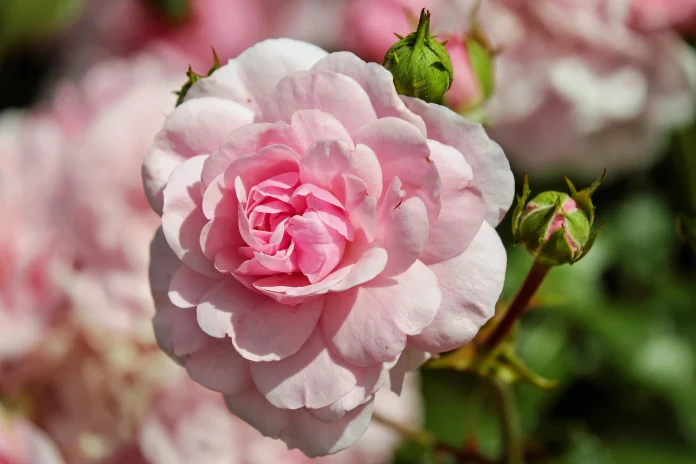
The rose, often hailed as the queen of flowers, has captivated human hearts for centuries. With its velvet petals, enchanting fragrance, and timeless elegance, the rose is more than a flower—it is a universal symbol of love, beauty, and passion.

A Symbol in Every Petal

From ancient civilizations to modern celebrations, roses have carried deep symbolic meaning. In Greek mythology, they were linked to Aphrodite, the goddess of love. In literature and art, the rose became a symbol of romance, mystery, and even political movements. Today, roses are exchanged worldwide on Valentine’s Day, weddings, and special occasions, making them one of the most cherished flowers in history.

Beauty Meets Variety

Roses come in thousands of varieties, ranging in color from fiery reds to pure whites and even rare blues and blacks. Each color carries its own message—red for love, yellow for friendship, white for purity, and pink for admiration. With over 30,000 cultivated varieties, roses continue to inspire gardeners, florists, and romantics alike.

An Economic and Cultural Treasure

Beyond their symbolism, roses play a vital role in the global flower trade. Countries such as Kenya, Ecuador, and the Netherlands export millions of roses each year, sustaining both economies and traditions. Rose oil and petals are also used in perfumes, cosmetics, and even traditional medicine.

The Timeless Bloom

The enduring charm of roses lies in their ability to speak a language that transcends words. Whether as a gift of love, a symbol of peace, or a reminder of beauty, roses remain nature’s most eloquent messenger—forever blooming in the human story.

The Heart of Nature: Anthurium Flowers and Their Timeless Charm

0

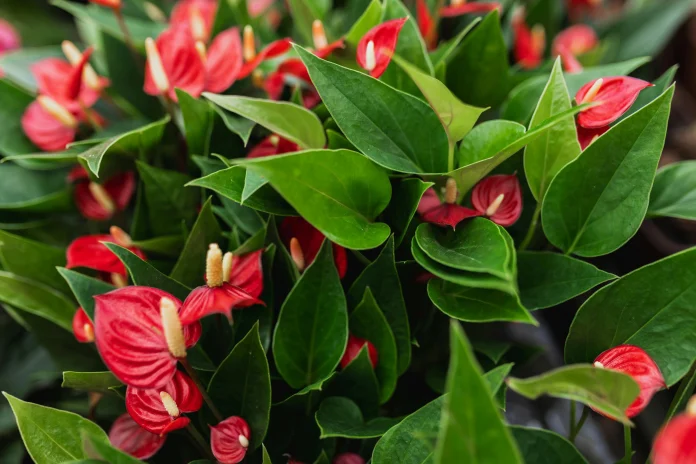
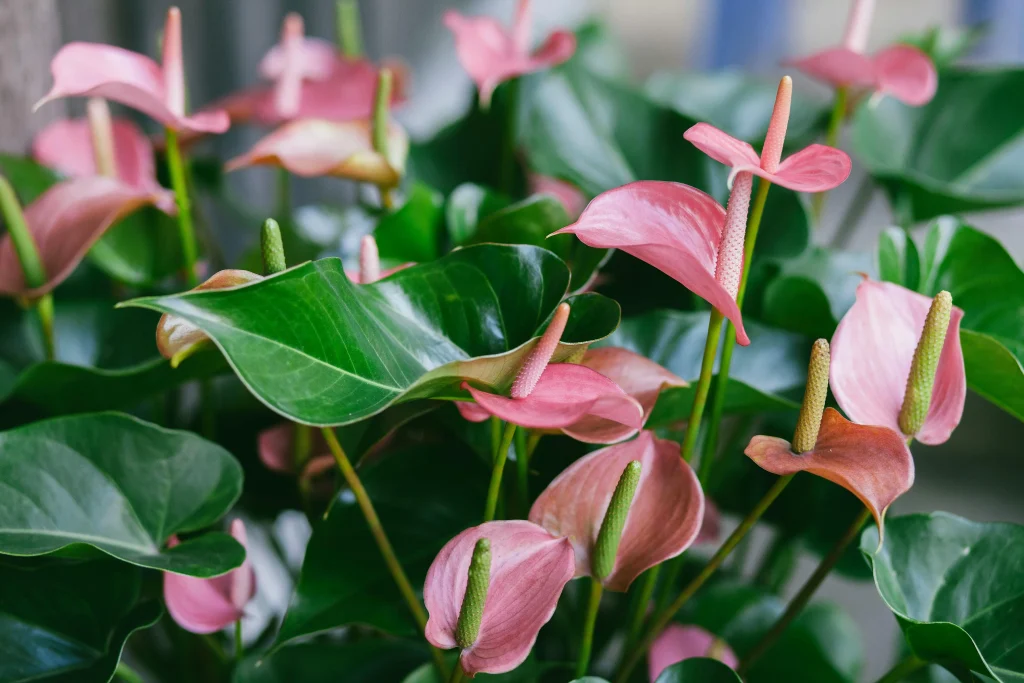
Anthuriums, often called the “flowers of the heart”, are among the most striking tropical plants in the world. With their glossy, heart-shaped leaves and vibrant red, pink, or white spathes, these flowers bring a touch of elegance to homes, gardens, and ceremonies alike.

A Symbol of Love and Hospitality

In many cultures, anthuriums are considered symbols of hospitality, happiness, and everlasting love. Their heart-shaped appearance has made them a popular choice for weddings, celebrations, and even as gifts of friendship. For this reason, they are sometimes referred to as the “flamingo flower” or the “laceleaf.”

Beauty Meets Practical Value

Beyond their beauty, anthuriums are valued for their long-lasting blooms. A single flower can remain fresh for weeks, making them favorites among florists and event decorators worldwide. With proper care, the plant can bloom throughout the year, offering endless color and life to any space.

Cultivation and Global Trade

Native to Central and South America, anthuriums have become a global horticultural treasure. Today, countries like Sri Lanka, Costa Rica, and the Netherlands are known for cultivating these flowers for the international flower trade. Their economic value continues to grow as demand for exotic plants rises.

A Flower with a Message

Anthuriums remind us that beauty can also symbolize deeper meanings—love, hospitality, and connection with nature. In every petal, they carry a story of joy and warmth, making them not just flowers, but timeless messengers of the heart.

The Last Roar: Lions at the Crossroads of Survival

0

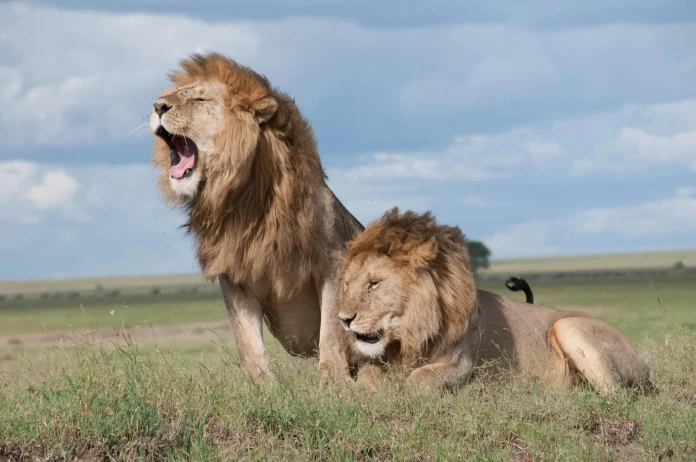
The lion, often called the King of Beasts, has inspired awe and admiration for centuries. With its thunderous roar, commanding presence, and regal mane, the lion is more than just an animal—it is a living symbol of courage, strength, and majesty.

The Role of Lions in Nature

Lions are apex predators, playing a crucial role in maintaining balance within ecosystems. By hunting herbivores such as zebras and buffalo, they prevent overgrazing and help keep savannas and grasslands healthy. Where lions roam, biodiversity thrives.

Lions in Culture and History

From ancient African folklore to royal emblems and national flags, lions have long been celebrated as symbols of power and pride. In literature and religion, they are often depicted as guardians of truth and justice, reinforcing their status as kings not only of the jungle but also of the human imagination.

A Species in Peril

Despite their iconic status, lions face a declining future. Habitat loss, human-wildlife conflict, and illegal hunting have caused their numbers to fall drastically in the past century. Today, wild lion populations are confined mostly to Africa, with only a small group surviving in India’s Gir Forest.

The Path Ahead

Conservation efforts offer hope. Wildlife reserves, anti-poaching laws, and community-led initiatives are working to protect lions and their habitats. Yet the challenge remains: will humanity allow the King of Beasts to keep roaring in the wild—or only in memory?

A Final Thought

The roar of a lion is more than sound—it is a call to protect nature itself. If the king falls silent, the wild will never be the same.

Walking with Giants: Why Elephants Matter More Than Ever

0

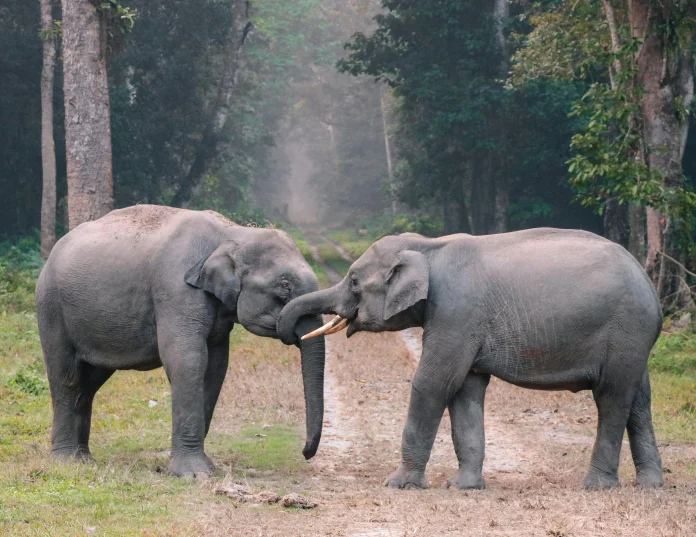
Elephants have long been admired as the gentle giants of the wild. With their towering size, intelligence, and extraordinary memory, they remain one of the most remarkable creatures on Earth. Yet behind their majestic presence lies a struggle for survival.

Nature’s Engineers

Elephants are more than just animals; they are architects of the ecosystem. By knocking down trees, digging waterholes, and dispersing seeds, they shape forests and grasslands, creating space for countless other species. When elephants thrive, entire ecosystems benefit.

A Cultural Icon

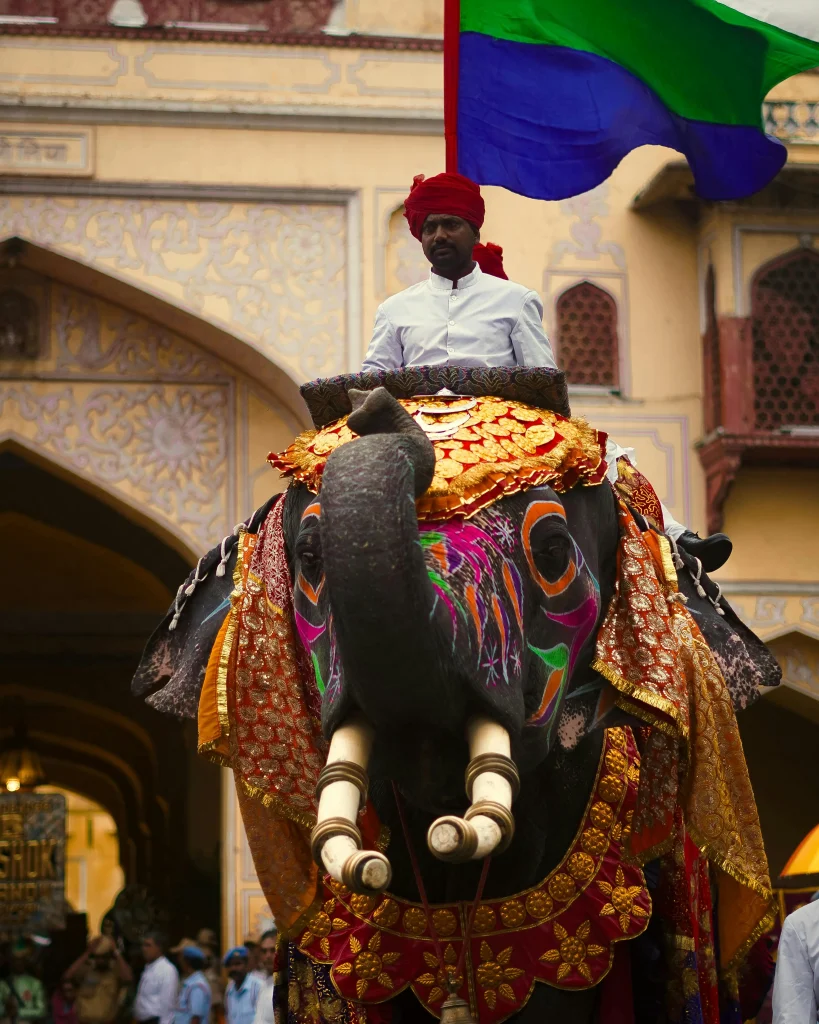
Across Asia and Africa, elephants are celebrated as symbols of wisdom, strength, and prosperity. In Sri Lanka and India, they play a central role in cultural festivals and traditions, while in African folklore, they are honored as leaders and protectors. Their image continues to inspire art, religion, and human imagination.

The Threats They Face

Despite their importance, elephants are under threat. Poaching for ivory, shrinking habitats, and conflicts with humans have placed these giants in danger. In the last century, their numbers have fallen sharply, raising alarm among conservationists worldwide.

A Hopeful Future

Efforts to protect elephants are growing. Sanctuaries, stricter anti-poaching laws, and awareness campaigns are giving these animals a chance to survive. Communities are also learning new ways to live alongside elephants, ensuring that humans and wildlife can share the land peacefully.

The Bigger Picture

Saving elephants means more than protecting a single species—it means safeguarding our planet’s natural balance. Walking with giants reminds us of our shared responsibility: to respect, protect, and live in harmony with the wild.