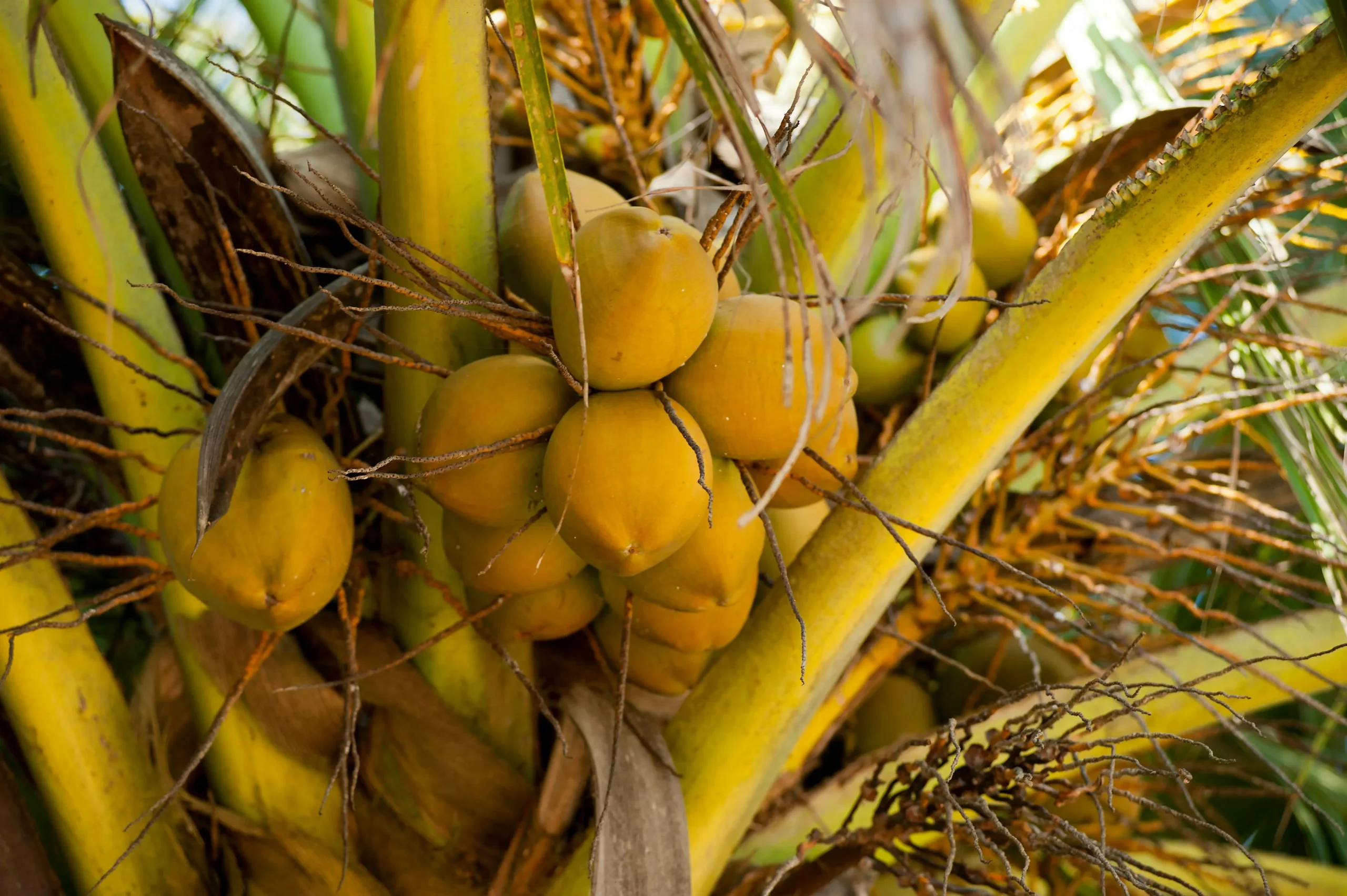
The coconut tree, often called the “Tree of Life,” is one of the most valuable and versatile plants in the world. Towering along coastlines and thriving in tropical climates, this palm has provided food, shelter, and livelihood to countless generations.
A Source of Nourishment
Every part of the coconut offers something essential. Its refreshing water is a natural source of hydration, while the white flesh is rich in nutrients and widely used in cooking. Coconut oil, milk, and cream are staples in kitchens across Asia, Africa, and the Pacific, forming the base of traditional cuisines.
Beyond the Kitchen
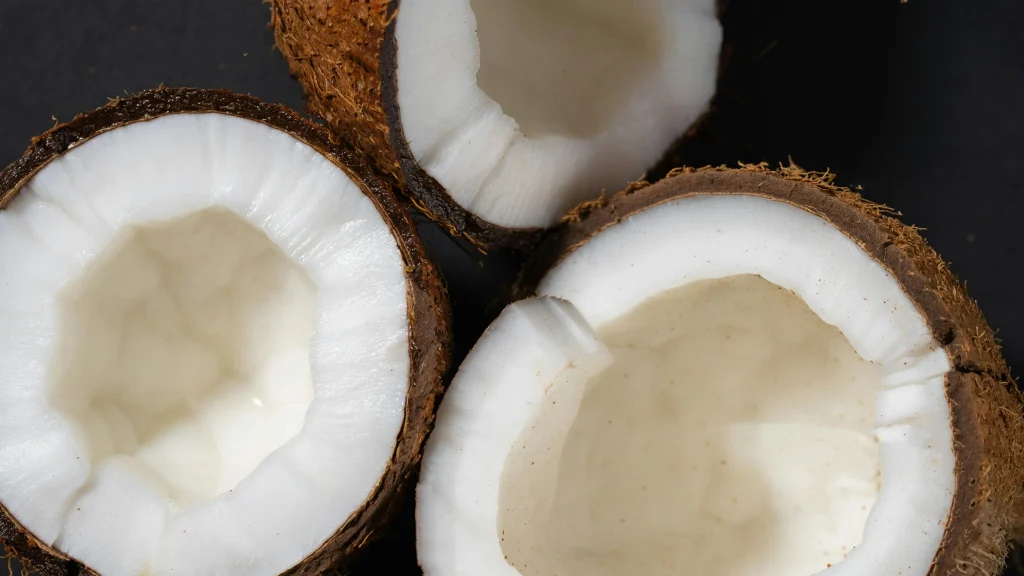
The usefulness of the coconut tree extends far beyond food. Its husk is used to make ropes, mats, and brushes; its leaves are woven into roofs and baskets; and its timber serves as building material. Even the shell is repurposed into bowls, utensils, and handicrafts, reflecting the ingenuity of communities that rely on the tree.
An Economic Lifeline
Globally, the coconut industry supports millions of farmers. Countries like Sri Lanka, the Philippines, and Indonesia lead in production, exporting coconut-based products to meet growing demand for natural and organic goods. From beauty products to eco-friendly packaging, coconuts are at the heart of sustainable trade.
A Cultural Symbol
In many cultures, the coconut is seen as a symbol of resilience and prosperity. Featured in rituals, festivals, and religious offerings, it represents purity and life itself.
Standing Tall
The coconut tree is more than just a plant—it is a lifeline. Providing nourishment, shelter, and income, it truly lives up to its name: the Tree of Life.